Growing your own herbs for cooking and eating is such an easy yet incredibly rewarding journey. It’s such a joy to be able to go out into your garden, any time of the year, and harvest fresh herbs for all sorts of culinary purposes.
One thing I love most about kitchen gardening is knowing there are no harmful pesticides or minimal residues in the soil, that may contaminate the food you are growing for eating. To be able to learn gardening for culinary purposes doesn’t require much skill, except that you are willing to learn, okay with making some mistakes and willing to keep on trying. That’s really about it. Other than that, the basics are all the same for most vegetable gardening: good nutrient-dense soil, adequate sunshine, and enough water. What I’ve learnt here can be applied to a lot of vegetable gardening in general, and is something anyone can do!
It truly is such a joy and pleasure to go out into the garden, early in the morning in the hot summer months, or before preparing a meal in the kitchen, or near the end of the day as the sunlight slowly fades. It’s easy for anyone to do, to take a seed, and plant it in good well-nourished soil, let the warmth from the sun awaken that little seed and water it enough to bring it into fullness of life!
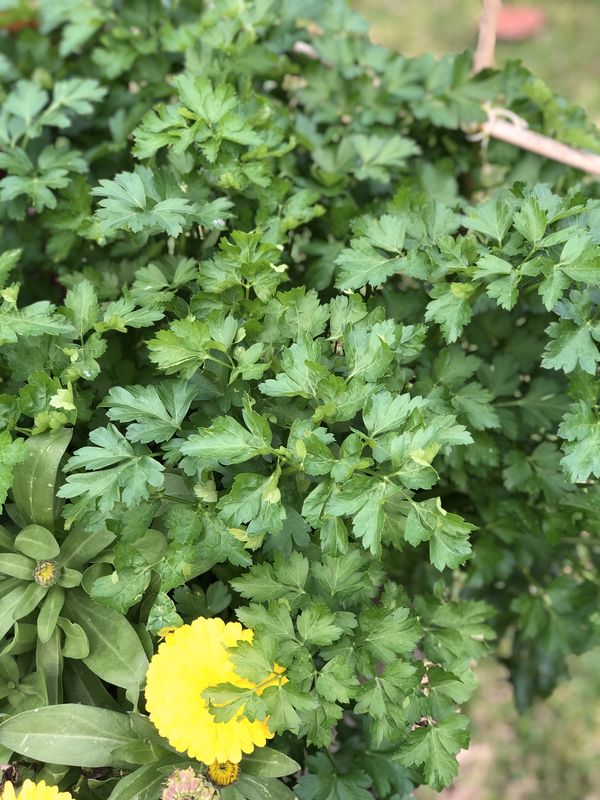 Organic Parsley, Italian Plain Leaf variety
The plants that I’ve chosen here are easy to access as seeds, and not cost prohibitive at all. One packet of chamomile seeds, for example, costs $3 for 1000 seeds. Or plain leaf parsley costs $3 for 750 seeds. I only grew one parsley plant from seed and it has grown much bigger than I expected, producing rapid new growth, even whilst harvesting from it 3-4 times per week. It has probably done so well because of two large batches of fermented bokashi pre-compost which were placed into the soil when creating this raised garden bed, so I suspect that is why it continues to flourish, even into the colder months.
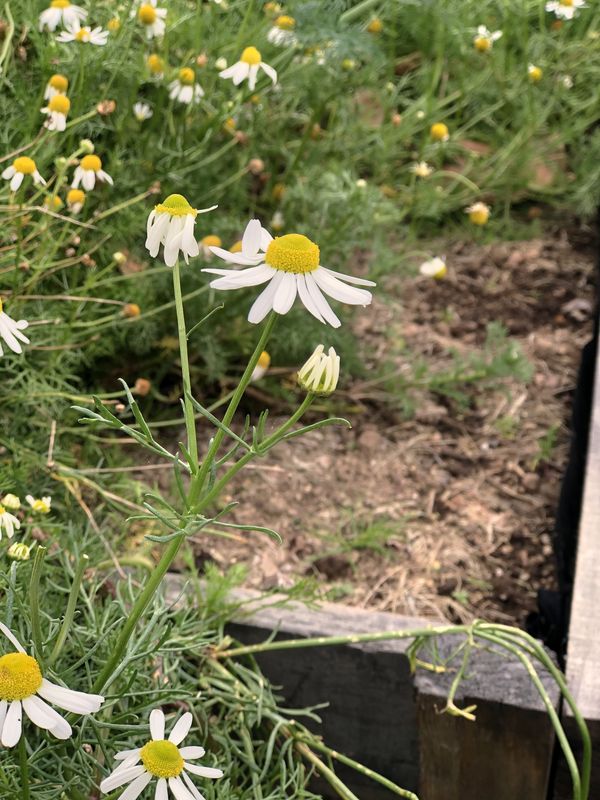
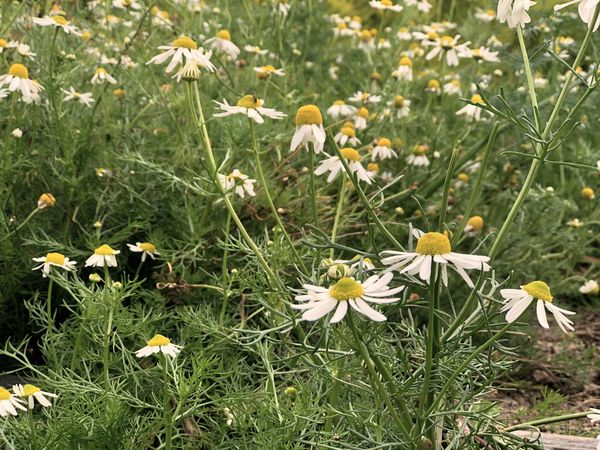
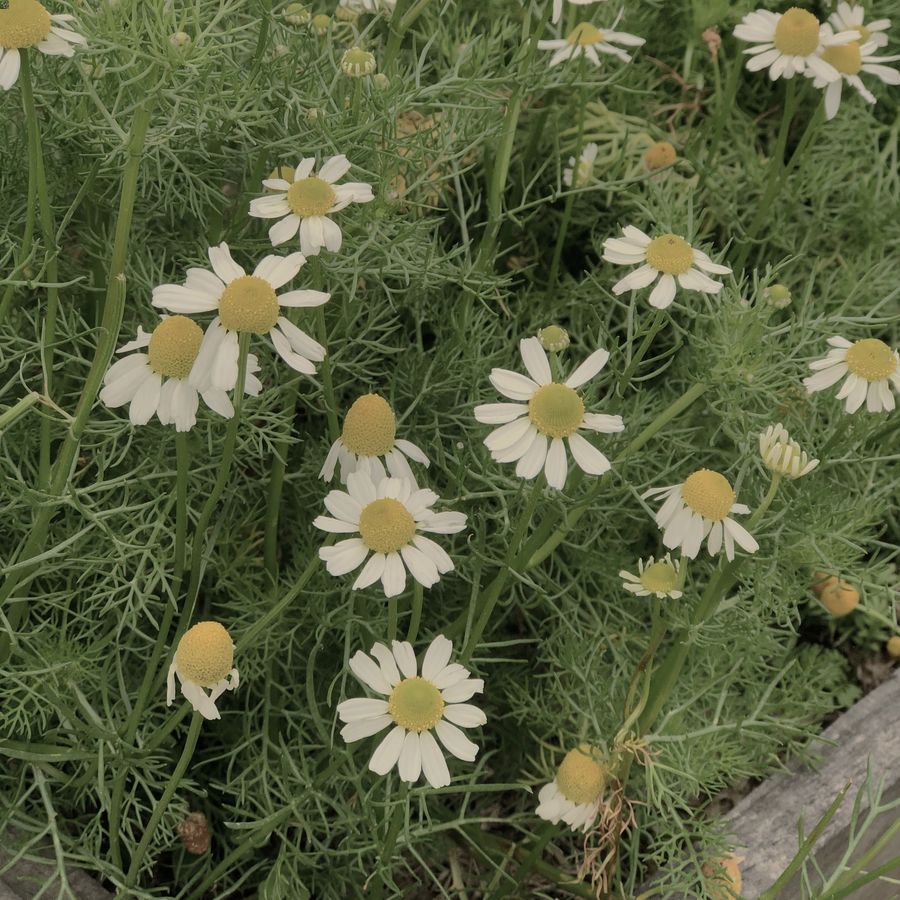
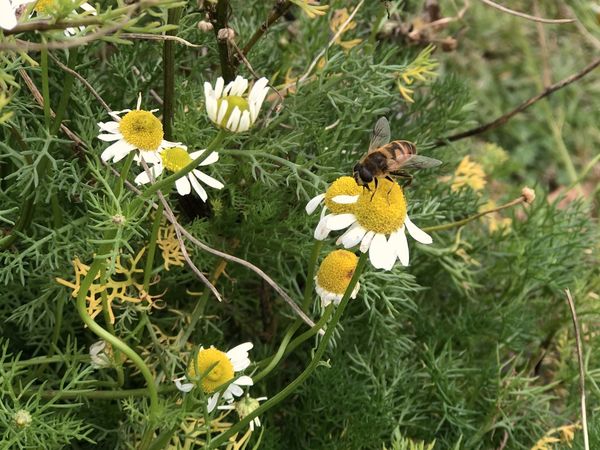
Chamomile is another lovely plant, this variety is German Chamomile, which is so delicately fragrant and beautiful, drawing in lots of bees from the area. It is easy to make tea with the flowers, either fresh or dried, and such a great way to wind down in the evening. Making tea from the flower heads which have been left to air dry for just a few days has, in my opinion, the loveliest flavour as compared with dried chamomile, or fresh chamomile. The ‘greenness’ of the flavour has dissipated slightly but it still retains an subtle ‘apple-like’ aroma. Roman chamomile is another variety and grows as a groundcover, also being edible as a flower tea.
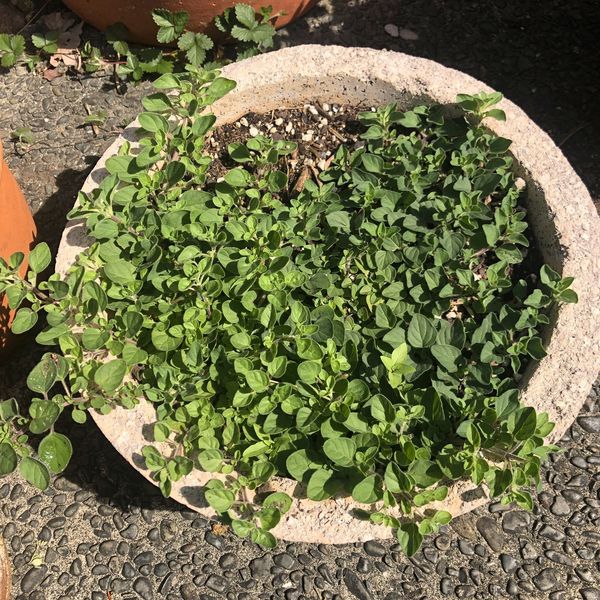
This is Oregano, the True Greek variety, a must-have in any kitchen garden. The bold highly aromatic flavour is wonderful in so many kinds of foods, and pairs really well with this next herb, Thyme. Both seem to do well in pots or containers, although I would recommend a large container for oregano as it does grow quickly and needs sufficient watering in dry hot weather (if grown in a container). Otherwise, you could sow the seeds into the garden somewhere with lots of sunlight for a lower-maintenance gardening experience.
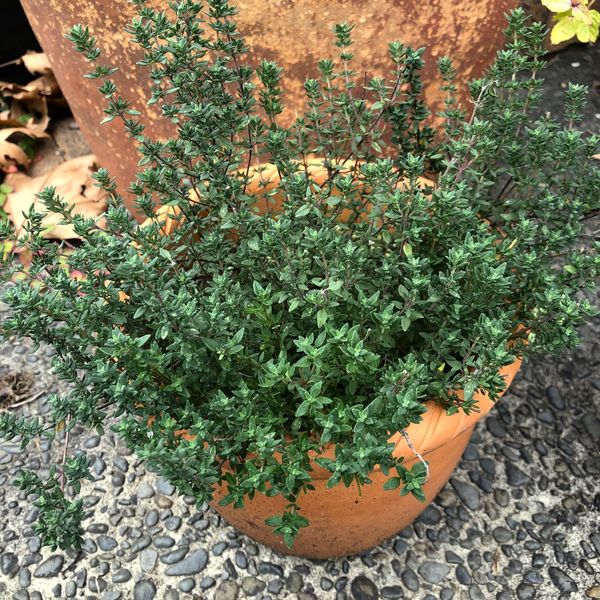 Thyme, English Winter variety
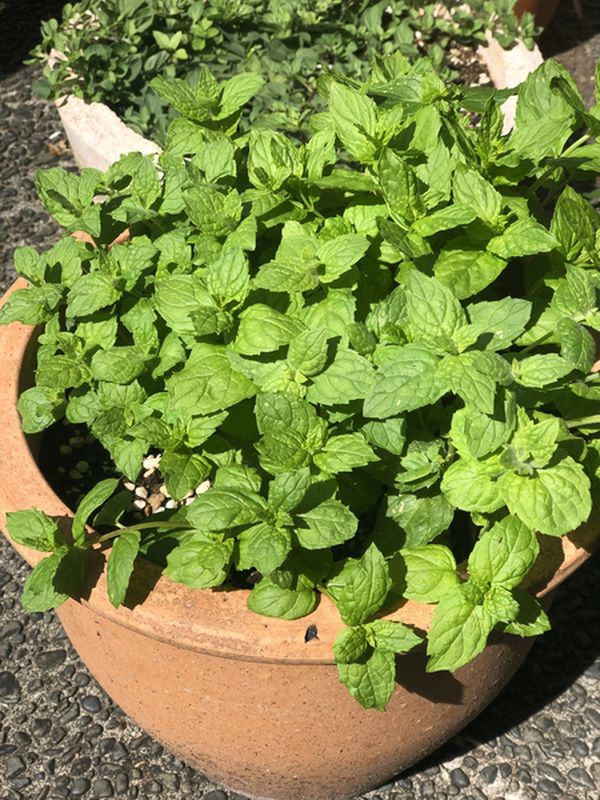
Mint is another great plant to grow, but be warned, it can be invasive and spreads quickly and easily, so it’s probably best to plant in a container. I would recommend growing it in a very large container, to give sufficient space for the roots to grow and not be overcrowded.
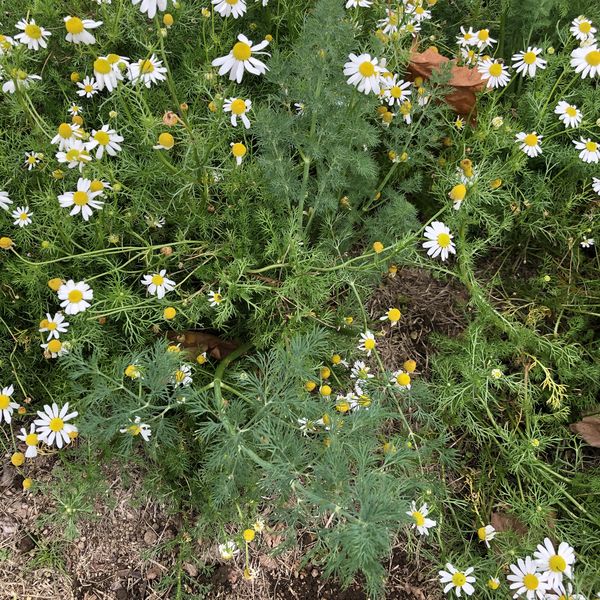
Another great herb is Dill, extremely easy to grow from seed, and although it does bolt quickly in hot weather, it grows fast from seed. You can see the dill here amidst the chamomile, grown from seed from the predecessor plants.
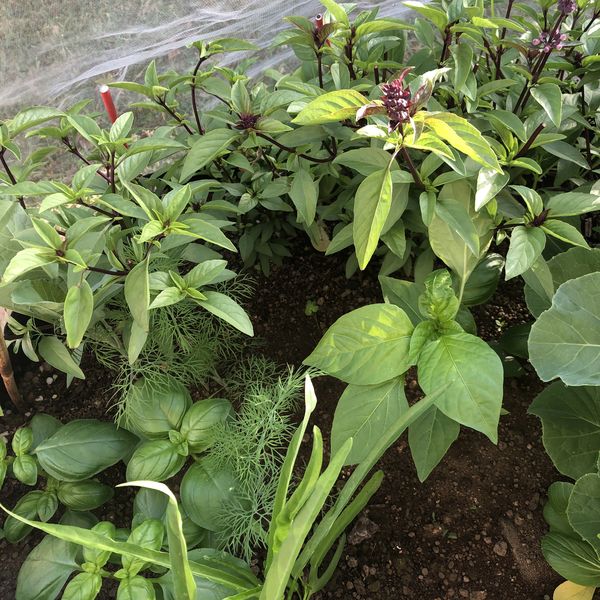
Another surprisingly easy herb to grow from seed is organic sweet Genovese Basil – which you can see here on the bottom left – an absolute must-have if you love Italian cooking or fresh salads in the summer months. This basil was grown here under an insect mesh cover. Another all time favourite herb of mine is Thai Basil – top left and right – which grows fast and easily under the right conditions. Both of these were still growing into very late autumn, which was a pleasant surprise to be able to eat fresh basil nearly into winter!
I would only recommend one special item for growing vegetables and herbs, and that is liquid fertiliser concentrate, with something like fish, seaweed or liquid compost. This is diluted heavily with water and can also be used on your indoor house plants.
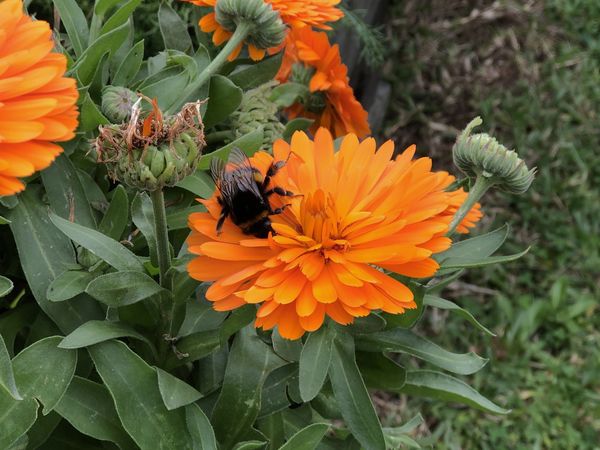 Calendula flower